
Water Line Repair in Easton, PA: Your Side of the Line, Lead Pipes and Digging
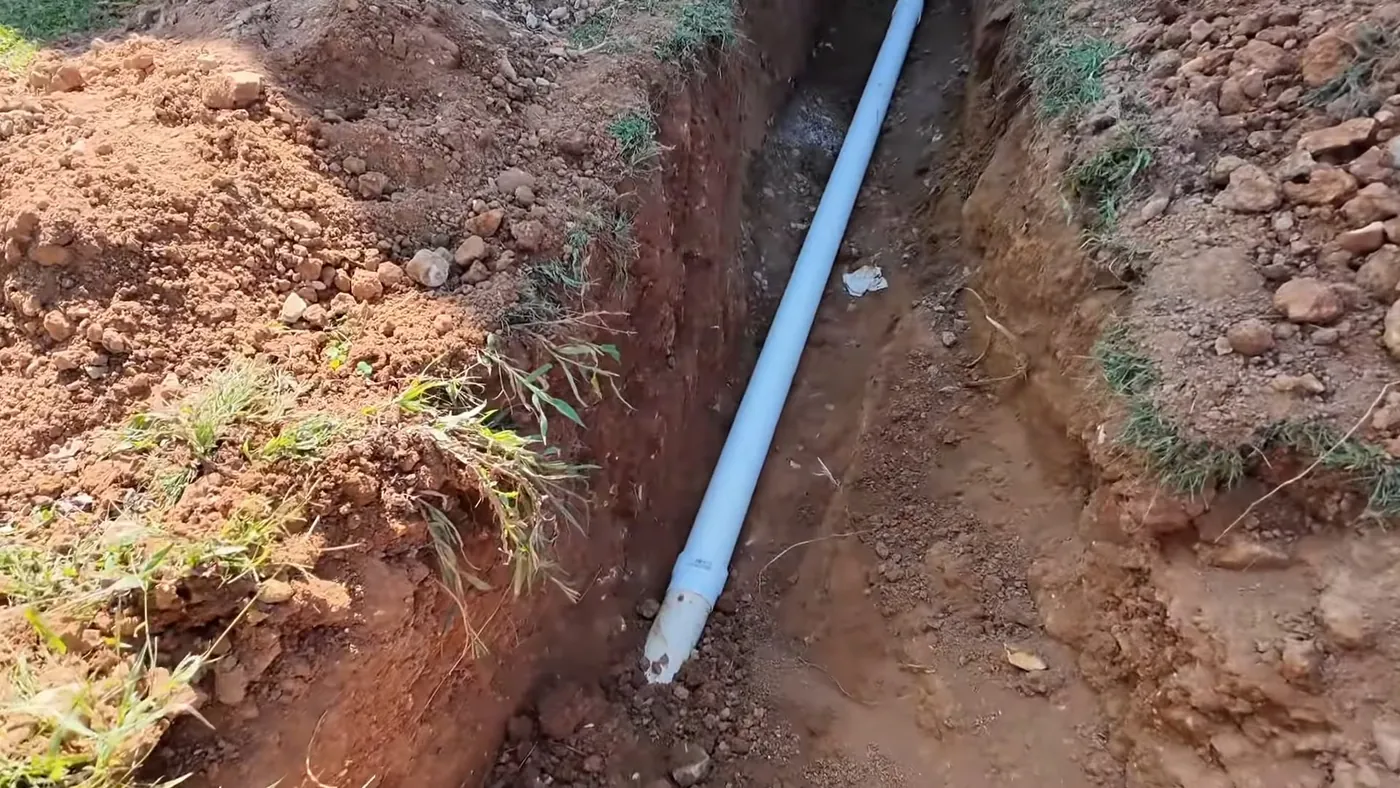
The pipe between the street and your meter or shutoff is the water line. It sits underground, it fails out of sight and the first question is not how to fix it but who owns which section.
- Licensed and insured plumbers
- Same-day service when available
- 24/7 emergency dispatch
Who owns what: the utility side and your side
ESWA treats the pipe from the main to your house as two pieces, the utility piece and the customer piece. The private piece is yours to maintain, and the utility does not help pay for replacing it (ESWA notice).
Where the dividing point sits at your address can vary, so ask before digging. For urgent water matters, ESWA answers around the clock at 610-258-7181. If the leak is on the utility side, the repair is theirs, and a plumber can confirm which side before anyone excavates.
| Question | Who answers | Why it matters |
|---|---|---|
| Where does the private side start? | ESWA | Decides who repairs and pays |
| Is the pipe lead, copper or plastic? | Plumber and ESWA survey | Affects health and replacement scope |
| Where are other utilities buried? | PA 811 | Required before digging |
| Does the work need a permit? | City Codes Office | Plumbing repair and replacement is permitted work |
Signs of a main water line leak
A leak on this pipe often shows up as a rising water bill, low pressure, a wet patch in the yard that does not dry, or a meter that moves with every tap closed. Sinking pavement or a soft spot near the foundation are later signs.
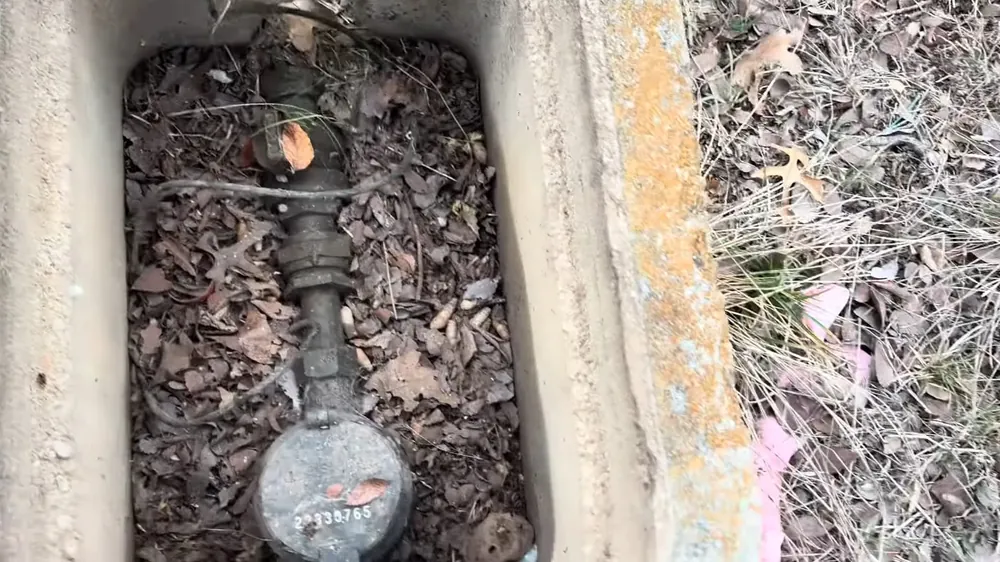
The meter test is the quickest check. Close every fixture, then watch the meter dial for movement. If it moves, the loss is somewhere between the meter and the house or inside it, and a hidden leak search covers how a plumber finds which.
Safety Do not dig by hand or machine until the lines are marked. A water line is often buried near gas, electric and communications cables.
Lead service lines and older houses
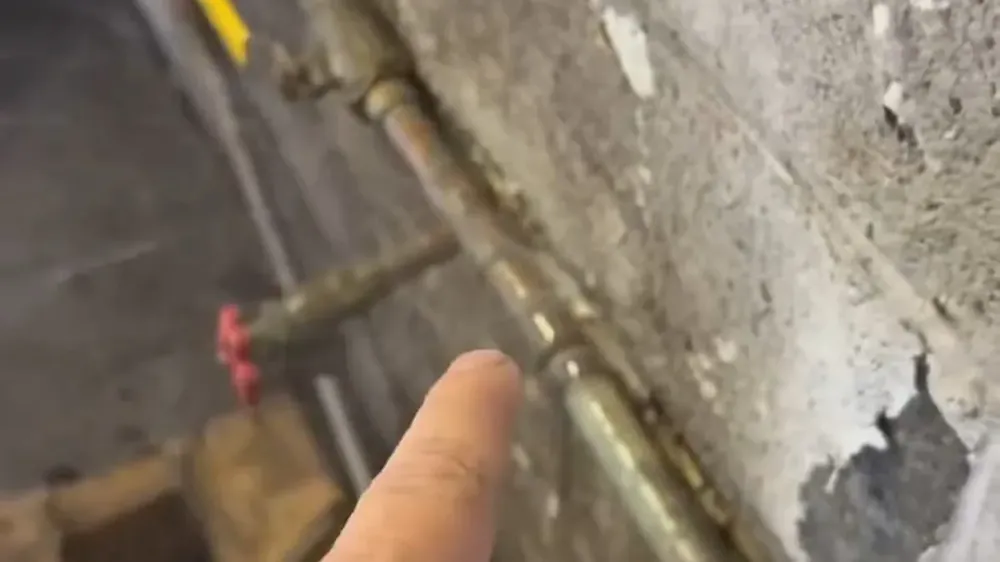
ESWA says homes built before 1950 could have lead service lines, and homes built after 1950 are not built with them (ESWA lead page). The authority also offers a service line inventory map and a self-assessment survey for customers.
The 2025 water quality report listed no site above the lead action level, with a 90th percentile of 0.001 ppm across 32 sites (ESWA report). That describes the system as monitored, not your pipe, which is why identifying the material matters if the house is older.
ESWA recommends that customers use a licensed and insured plumber for private-side work. Ask the plumber to photograph the pipe at the meter and at the entry point so you have a record.
Shut off the water and call.
If water is pooling near the meter or the foundation, close the house shutoff and call the dispatch line. Same-day service is offered when available.
Call 610-904-7596 ↗Repair, replacement and trenchless options
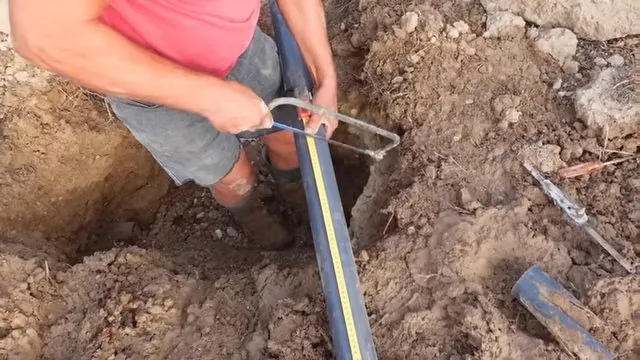
A short leak in a sound line can be repaired with a section replaced. A line with repeated failures, old galvanized steel or lead is usually replaced from the shutoff to the connection point. Trenchless methods pull a new pipe through a small access pit, which spares drives and landscaping, but they need a clear path and the right soil.
Digging is the more common method and gives full visibility. Ask for a written scope that names the pipe material, the depth, the surface restoration and who handles the permit.
Before anyone digs: 811 and the permit
Before any excavation, someone has to contact PA 811, with a lead time of three business days (PUC pipeline safety). That ticket is what gets buried gas, electric and communications lines marked.
The City Codes Office handles permits for plumbing work (Codes Office FAQ). Ask the plumber who applies, and keep the permit number with your records. For a pipe failure inside the house, repiping is the page that applies.
The short list: private wells, pressure and shutoffs
- Main shutoff. Know where it is, test it twice a year and replace it if it will not close fully.
- Pressure. A pressure drop on every fixture can point to the line, the meter or a failing pressure reducing valve.
- Private wells. A well and pressure tank are a different system from public water, so confirm which one your property uses.
- Freeze. Lines are buried below the frost line, but shallow runs and exposed entry points can still freeze.
What a water line replacement visit looks like
The steps below show the usual order on a line replacement, so you know what to expect and what to ask about before the day starts.
- The plumber confirms the shutoff points and the dividing point with ESWA
- PA 811 marks the buried utilities and the owner records the ticket number
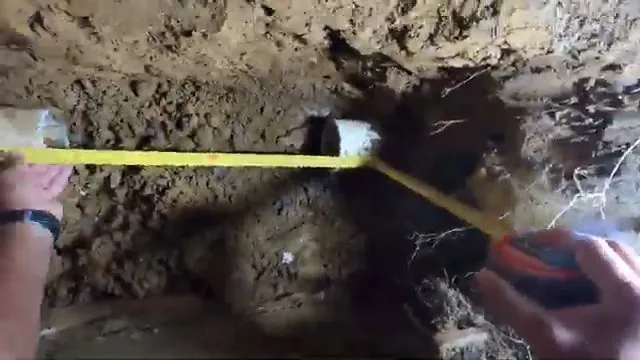
- The line is exposed at the house entry and at the connection, or an access pit is dug
- The old pipe is cut out, or pulled out with a trenchless method
- New pipe is joined, pressure tested and flushed before it is reconnected
- The trench is backfilled and the surface is restored as the scope states
Water is off for part of the day, so plan for that. Ask the plumber for a rough time window and whether neighbors on the same service are affected.
Pressure, water hammer and the pressure reducing valve
Many houses have a pressure reducing valve near the entry, set to protect the pipes and fixtures. A valve that fails can let the street pressure through, which shows up as banging pipes, dripping faucets and a relief valve that opens on the water heater.
A plumber can put a gauge on a hose bib to read pressure. A reading that is too high or too low points to the valve, the meter or the line. Replacing a worn valve is a small job compared with replacing damaged fixtures.
Pressure regulators on the incoming line
A pressure reducing valve, also called a PRV or pressure regulator, sits on the incoming line and protects fixtures from high pressure. A failing regulator can cause banging pipes or a sudden drop in flow, and it is checked along with the line.
Call the dispatch line for a plumber serving Easton.
Leak, low pressure or an old pipe.
Tell the dispatcher where the water shows up.
- Licensed and insured plumbers
- Same-day service when available
- 24/7 emergency dispatch
Water line questions from Easton homeowners
Where is my main water line and who is responsible for it?
The main line runs from the street connection to the shutoff or meter inside the house. According to ESWA, the owner answers for the pipe on the private side, and the utility answers for its own portion. Call ESWA to learn where the dividing point sits at your address.
How is water line work priced in Easton?
The price depends on the pipe material, depth, distance, surface restoration and permit. A short repair and a full replacement from the street are very different jobs. The what drives the price page walks through the pieces of a quote, and a written scope lets you line two offers up side by side.
Do I need a plumber for a leaking well pressure tank?
A well pressure tank only applies if your property uses a private well instead of public ESWA water. Confirm which supply you have first. If it is a well system, a plumber can test the tank, check the air charge and replace the tank if the bladder failed.
How do I find an underground pipe leak?
Start with the meter test, then look for wet ground or sinking pavement. A plumber can use listening equipment and tracing to pinpoint the spot before any digging, which keeps the excavation small.