
Slab Leak Detection in Easton, PA: Confirm the Foundation, Then Find the Leak
Warm patches on a floor, the faint sound of running water at night or a bill that climbs with no visible leak can point to a pipe under concrete. Call, and a plumber serving Easton starts by confirming what your house sits on.
- Licensed and insured plumbers
- Same-day service when available
- 24/7 emergency dispatch
First, confirm what is under your floor
A slab leak only exists if the house has a concrete slab with pipes in or under it. Many houses have a basement or crawl space instead, where the same symptoms point to a leak you can see and reach. Foundation types vary from one house to the next, so the first job is to confirm what you have before anyone assumes a slab.
You can often tell in minutes. Look for a basement door or stairs, a crawl space hatch, or a floor that sits on bare concrete with the water heater and furnace on the same level. If you are not sure, a plumber can check on arrival, and the answer changes the repair plan, the cost drivers and the permit question.
| Foundation | Where the pipes run | What this means for the search |
|---|---|---|
| Concrete slab | In or under the concrete, plus walls and the ceiling cavity | Listening gear and pressure tests locate the leak before any concrete is cut |
| Basement | Exposed along joists and walls | The leak is often visible or findable with a flashlight and a dry paper towel |
| Crawl space | Hanging under the floor, sometimes insulated | A plumber crawls the route, so check for pooling water and damp insulation first |
Signs that point to a leak under concrete
No single sign proves it. A slab leak shows up as a pattern, and the pattern matters more than any one clue.
- A floor that feels warm in one spot with no heating line nearby
- Water running sounds when every fixture is off
- A meter that keeps moving with the house shut down
- Damp carpet or lifting flooring along one wall
- Low hot water pressure with normal cold pressure
- A musty smell or mold at a baseboard
Do this now Shut off the main, listen at the floor and read the meter. If the dial stops after the shutoff, the leak is on the house side.
How a plumber locates a leak under a slab
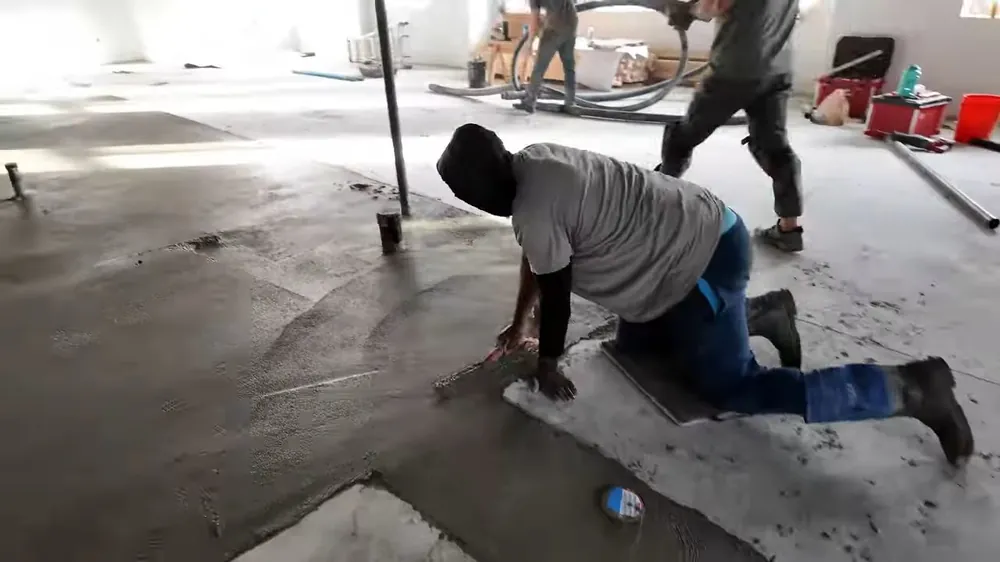
Location work narrows the search before any concrete is cut. The plumber isolates hot from cold, pressure tests each line and then uses listening gear on the floor to hear the leak where it escapes. Tracing the pipe route against the floor plan limits the opening to a small square.
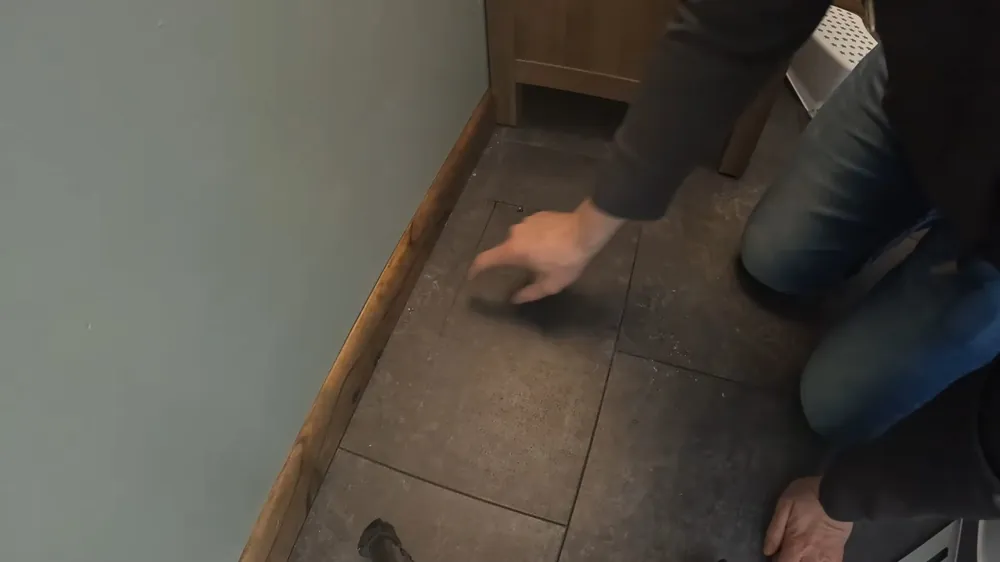
A warm spot is a useful clue because a leaking hot line heats the concrete above it. A report that names the line, the location and the access needed is what lets you compare any repair proposal fairly.
Get it located before the damage spreads.
Describe the symptom and say whether you have a basement, crawl space or concrete floor. The dispatcher matches you with a plumber serving your address.
Call 610-904-7596 ↗Slab leak repair options and what each trades off
There are three common ways to fix a pipe under concrete, and each trades disruption for permanence. The choice depends on where the leak is, how many lines are failing and what the floor covering is.
| Route | What happens | Best fit | Trade-off |
|---|---|---|---|
| Spot repair through the slab | Cut a small opening, replace the bad section | One clear leak in a reachable spot | Concrete work and flooring patched afterward |
| Reroute overhead | New lines run through walls or the attic, old line abandoned | Repeated leaks in one line | Wall and ceiling access, patching in several rooms |
| Epoxy lining | Resin coats the inside of the pipe | Pinholes in an otherwise sound line | Not suited to every pipe condition or a major split |
If several leaks appear in one line, a broader fix may beat patching, and pipe repair and repiping covers when replacing a run is the better call. The city asks for a permit when plumbing systems are repaired, replaced or installed; details are with the City Codes Office, so ask who will apply.
Water in the house while the cause is unknown
A leak under concrete can wet the floor above for days before anything shows. Treat standing water as the first job: shut off the main, move furniture and soak up what you can reach. When drywall or flooring is wet, water removal and drying covers the removal and drying that follow.
Emergency calls follow the same dispatch line as any other leak, with same-day service when available. Mention the foundation type, the warm spot and the meter reading, because that is what a plumber needs to decide how to start.
Insurance, documentation and what to keep
Insurance decisions are between you and your insurer, and a plumber cannot promise coverage. What a plumber can do is document the cause, the location and the work in writing. Keep the report, photos of the damage and every invoice, and ask your insurer what it needs before the floor is opened.
Residential slab leaks, methods and early signs
Residential slab leak work follows a few methods: a tunnel under the slab, rerouting the line overhead, epoxy lining and trenchless options, each with a different effect on the floor above. Spotting a slab leak early, such as a warm floor patch or an unexplained jump in the water bill, keeps damage and drainage problems smaller.
Foundation leaks affecting stability are rare but serious, so the plumber will inspect before recommending a method. A short consultation first can also help when an insurance claim may be involved, and the plumber can give assistance with documenting what was found.
Shut off the main and call the dispatch line.
Confirm the floor, find the leak, then decide the repair.
Call with your foundation type and the symptom you noticed first.
- Licensed and insured plumbers
- Same-day service when available
- 24/7 emergency dispatch
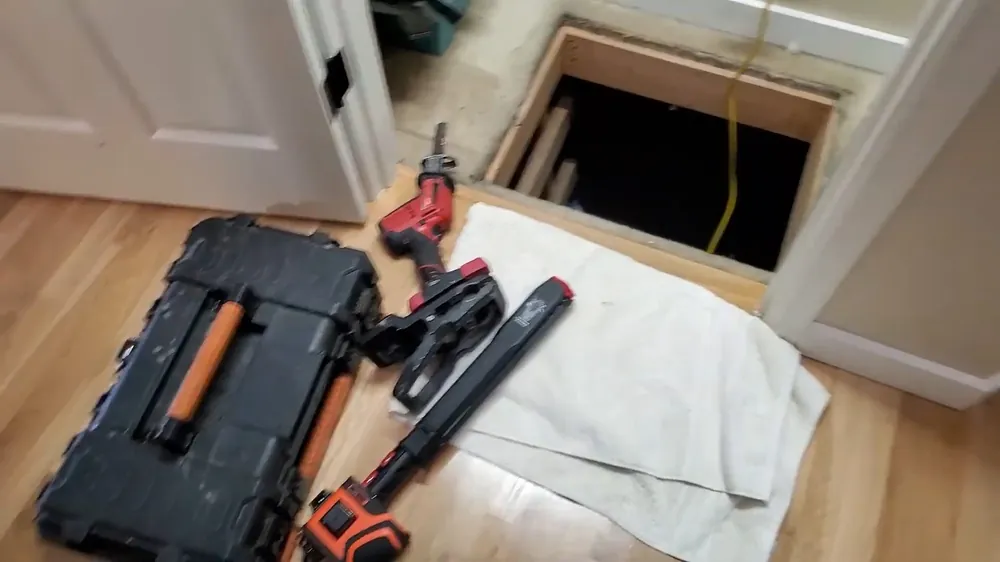
Slab leak questions answered for Easton homes
What should I check first if my insurer might be involved?
Work through this order. 1. Shut off the main and photograph the damage. 2. Write down the date you first noticed the signs. 3. Ask the plumber for a written report that names the line and location. 4. Call your insurer and ask what documentation it needs before work starts. 5. Keep every invoice. One caution: coverage rules differ by policy, so do not assume anything is covered or excluded until your insurer says so.
How much does slab leak work cost in Easton?
Cost depends on how deep the pipe is, how many lines fail and what covers the floor. Picture a single warm spot in a tiled hallway: the plumber opens a small square, replaces one section and the tile is patched. A reroute through the attic changes labor, access and finish work, so the same leak can be a short job or a larger one. See cost factors for how a quote is built, and ask for a written scope so quotes can be compared.
How do I know if I have a slab leak?
Start with safe checks only. Shut every fixture and read the meter, listen at the floor for running water and feel for warm spots. What can wait: opening a floor, since a leak is easier to confirm than to guess at. What cannot wait: standing water, a meter that races or a smell of mold, and those go to the dispatch line right away.
What are the symptoms of a slab leak?
The pattern is a warm or damp floor, running-water sounds at night, a meter that moves with everything off and lifting flooring along one wall. These happen because water under pressure escapes into the concrete and bedding, and then travels along the easiest path to the surface. A basement or crawl space can cause the same symptoms, which is why the foundation is confirmed first.